
Solar Cell Manufacturing
Solar cell manufacturing is a multi-step process that begins with purifying silicon to create wafers, which are then processed into solar cells and assembled into solar panels. Key steps include slicing silicon ingots into wafers, texturing and doping the wafers to create a p-n junction, applying anti-reflective coatings and metal contacts, and finally, interconnecting the cells into a module with protective layers.
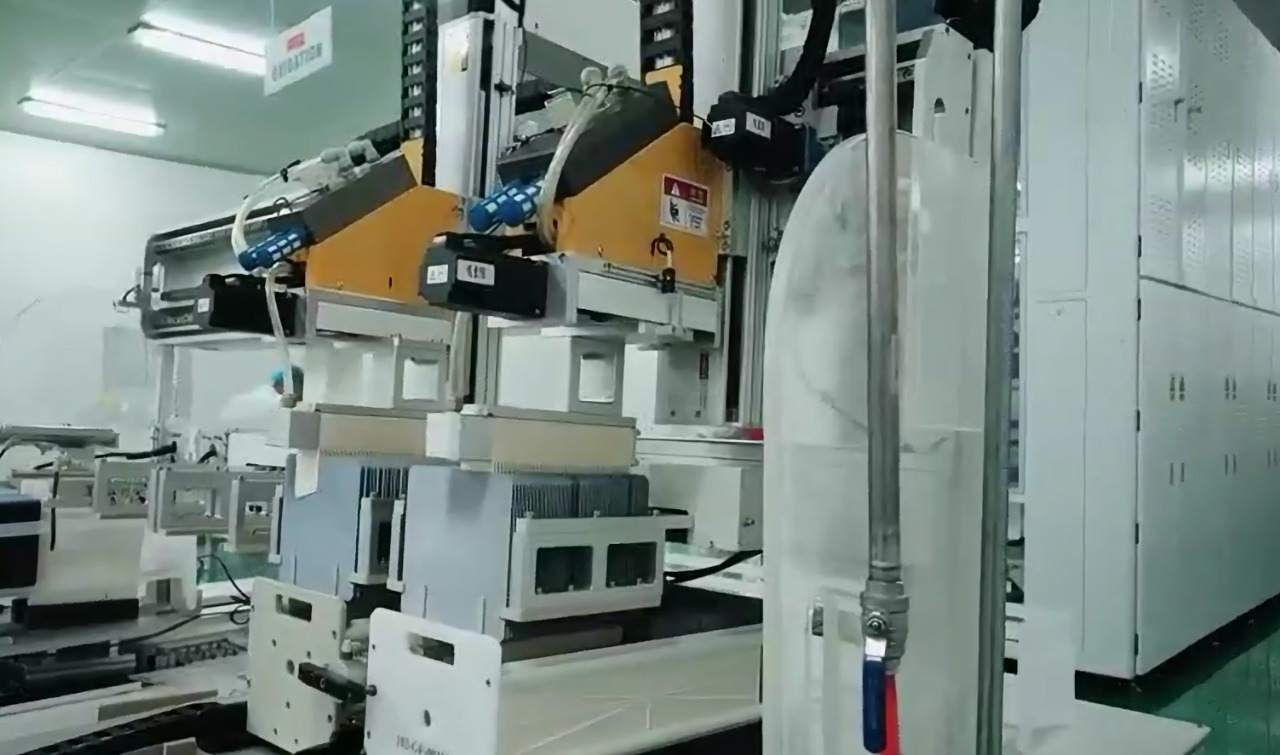
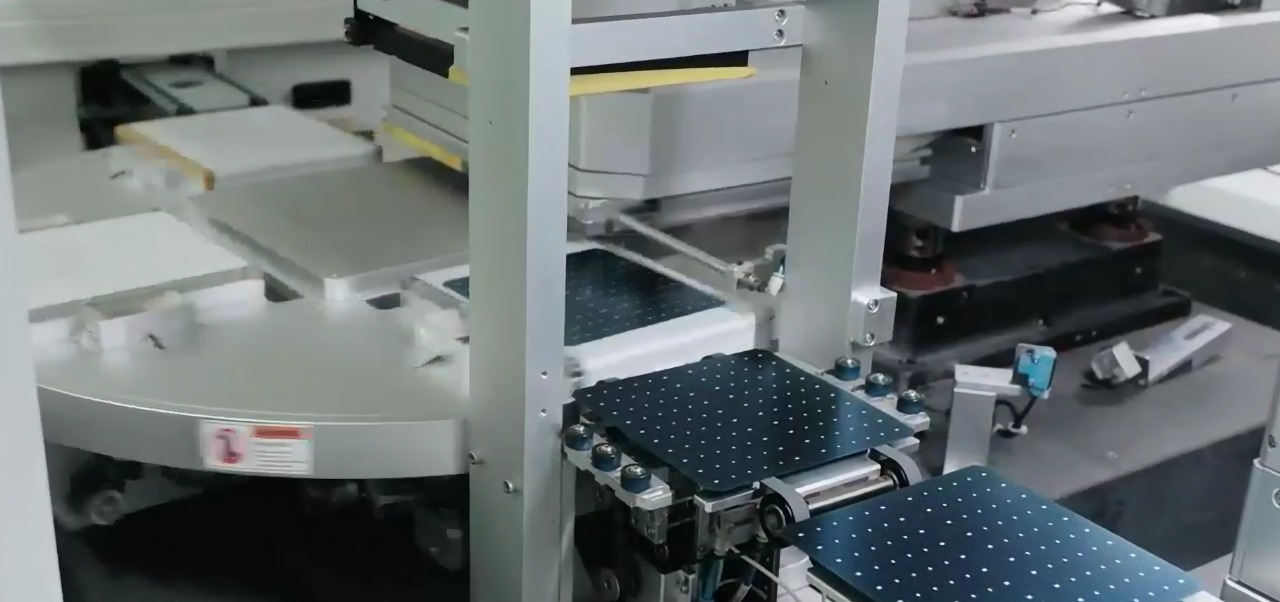
Manufacturing Process:
Silicon Purification: High-purity silicon is extracted from quartz sand in a high-temperature furnace.
Wafer Creation: The purified silicon is grown into large ingots and then sliced into thin wafers, which serve as the base for the solar cells.
Cell Fabrication: Texturing: The surface of the wafer is textured to reduce reflection and increase light absorption.
Doping: Impurities are diffused into the wafer to create a p-n junction, which is essential for converting sunlight into electricity.
Coating: An anti-reflective coating is applied to the surface to maximize sunlight absorption.
Contact Printing: Metal contacts (electrodes) are printed onto the front and back of the wafer to collect the generated electricity.
Assembly: Interconnection: Individual solar cells are connected, usually in series, using metal ribbons to form strings.
Lamination: The strings of cells are then laminated between protective layers, such as glass on the front and a durable backsheet, with EVA encapsulant, to protect them from the elements and form a module.
Framing: An aluminum frame is added for rigidity, and a junction box is attached for electrical connections.
Testing: Completed solar modules undergo various tests to ensure performance and durability, including electrical, mechanical, and weather resistance tests.